Walking into your first musical theater audition can feel terrifying, whether you’re 12 or 18. The good news: directors aren’t looking for perfect. They’re looking for performers who are prepared, curious and fun to work with.
These youth musical theater audition tips are written for middle schoolers, high schoolers and teens trying out for a school musical, community theater or a youth company. They cover the song, the monologue, the dance call, what to wear, and how to handle nerves and callbacks. There’s a section for parents too.
1. Choose the right musical theater audition song
The best audition song shows off your voice and your personality, not the hardest note you can almost hit.
- Pick something age-appropriate. Choose a character you could believably play in the next few years. Songs written for 40-year-olds rarely land for a 14-year-old.
- Stay in your comfortable range. A song you can sing well on a nervous day beats a showstopper you can only nail at home.
- Cut it to 16 or 32 bars. Most youth auditions ask for a short cut, about 30 to 60 seconds. Choose a section with a clear beginning, a build, and a strong ending.
- Avoid the most overdone songs. Directors hear the biggest hits from current Broadway shows over and over. A lesser-known song from a classic or contemporary musical helps you stand out.
- Match the show’s style when you can. Auditioning for a comedy? A song with humor shows you get the tone.
- Bring clean sheet music. Print it, put it in a binder in plastic sleeves or tape it so pages lie flat, and clearly mark where your cut starts and ends. The accompanist will thank you.
- Practice with a pianist or track, not the cast recording. Singing with the original star hides tempo and pitch problems.
2. Prepare a monologue that feels real
A monologue is your chance to show you can act, not just recite. Keep it under 90 seconds unless the audition notice says otherwise.
- Choose a character near your age. Published plays and monologue books for teens are great sources.
- Know who you’re talking to and what you want. Every monologue is one character trying to get something from someone else. Decide what that is.
- Memorize it cold. Practice while doing other things, like folding laundry or walking the dog. If you can say it while distracted, nerves won’t knock it loose.
- Pick a spot to look at. Deliver it to an imaginary person just above the panel’s heads, not directly into the director’s eyes.
- Let it change. Find at least one moment where your character’s thought or feeling shifts. That’s what makes a monologue interesting to watch.
3. Survive (and enjoy) the dance call, even if you’re not a dancer
Most youth theater dance calls teach a short combination on the spot. Directors are watching how you learn and how you carry yourself, not whether you’ve had ten years of ballet.
- Stand where you can see the choreographer. Hiding in the back makes it harder to learn.
- Mark it, then go full out. Learn the steps first, then commit with energy when it’s your group’s turn.
- Sell it with your face. If you forget a step, keep smiling and jump back in. Recovering well is a skill directors notice.
- Warm up before you arrive. A few minutes of stretching helps prevent injuries and calms nerves.
4. What to wear and bring to a teen theater audition
Dress like a polished version of yourself, in clothes you can move in.
- Wear comfortable, fitted clothing that you can sing, act and dance in. Skip costumes, big logos and anything you’ll need to keep adjusting.
- Bring proper shoes for dancing: jazz shoes, character shoes or clean sneakers.
- Tie hair back so the panel can see your face.
Your audition bag checklist:
- Sheet music in a binder, with your cut marked
- A copy of your monologue (for last-minute review only)
- Water bottle
- Dance shoes and a change of clothes if needed
- A snack for long waits
- A pencil to note callback info or conflicts
- Your rehearsal calendar, so you can list any conflicts honestly
5. In the audition room: nerves, slating, mistakes and callbacks
The audition starts the moment you walk in, so be kind to everyone, including the person at the sign-in table.
- Slate clearly. Smile and say your name, your age or grade if asked, and the title of your song and show. Example: “Hi, I’m Maya, and I’ll be singing ‘Song Title’ from Show Name.”
- Give the accompanist a quick briefing. Show them your start and end points and tap the tempo you want.
- Use your nerves as energy. Butterflies mean you care. Take one slow breath before you start.
- If you mess up, keep going. Directors care far more about how you recover than about the mistake. If it truly derails, it’s okay to politely ask to start again.
- Take direction happily. If the panel asks you to try it a different way, they’re interested. Show you can adjust.
- Don’t get a callback? It isn’t a verdict on your talent. Casting depends on height, voice type, chemistry and the needs of one specific show.
- Do get a callback? Expect to read scenes from the show, sing material from the score and work with other performers. Listen, stay flexible and have fun.
6. Tips for parents of young performers
Your job is to be the calm, encouraging person in the car, not the coach.
- Let your teen own their choices. Help them find songs, but let them pick what they connect with.
- Check the rehearsal and performance schedule before auditions. Listing conflicts honestly up front helps directors cast fairly.
- Keep the focus on growth. Ask “What did you enjoy?” instead of “Did you get the part?”
- Celebrate the courage it took to audition, whatever the cast list says.
Youth musical theater audition FAQ
Do I need experience to audition for a teen musical?
Not always. Many youth theater companies, including YPTMTC, welcome first-timers. Preparation and enthusiasm matter more than a long resume.
How long should my audition song be?
Usually 16 to 32 bars, or about 30 to 60 seconds. Always check the audition notice.
How long should a teen audition monologue be?
Aim for under 90 seconds. Shorter and well-acted beats longer and rushed.
What if I’m not a strong dancer?
That’s fine. Most youth dance calls teach a simple combination on-site. Energy, focus and a good attitude go a long way.
What should middle schoolers do differently from high schoolers?
The basics are the same. Younger performers should pick songs that feel natural for their age, and focus on clear storytelling over vocal fireworks.
Ready to audition? Join YPTMTC in San Francisco
The best way to get better at auditioning is to audition. If you’re a teen in San Francisco or the Bay Area, put these tips to work with the Young People’s Teen Musical Theater Company (YPTMTC).
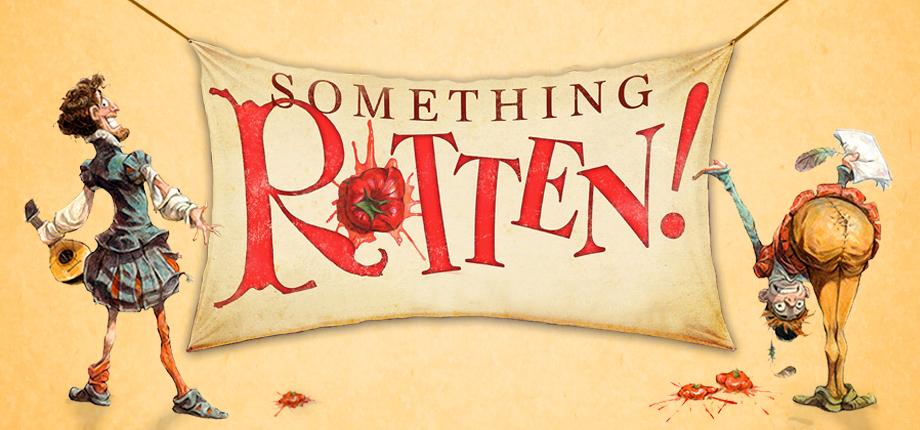
YPTMTC is open to teens ages 13 to 19, and no prior experience is required. Our upcoming production is Something Rotten, with auditions on Friday, October 9 (5:00 to 7:00 PM) and Saturday, October 10 (12:00 to 1:00 PM), 2026, at the Harvey Milk Center for the Arts. Best of all, there’s no registration needed. Just show up with a short song, sheet music and a monologue, and we’ll teach you the dance on-site.
See the full Something Rotten audition details
Don’t miss the next opportunity. Sign up for the YPTMTC newsletter to hear first about auditions, performances, workshops and youth theater events across San Francisco.
Know a teen who loves to sing, act or dance? Share this post with them. Break a leg!